
An Incredibly Easy Method That Works For All
10 Apr 2021
Ten years ago, if you wanted to place a bet you drove to a casino, waited in line, and hoped the guy at the window knew what he was doing. Today you can spin a slot machine from your kitchen table while a poker tournament runs on your second screen and a live dealer shuffles cards in Malta. The iGaming industry didn't just grow. It quietly rewired how millions of people gamble, watch sports, and even socialize. But all that convenience comes with a catch: more choice means more ways to lose money if you don't know what you're doing.
This isn't a cheerleading piece for online casinos, and it isn't a scare article either. It's a practical look at how the different corners of iGaming actually work, where the real edges are, and how experienced players separate a fun hobby from a slow bleed.
Walk into any online casino and you'll find dozens of categories, but almost everything falls into three buckets, and each one plays by different rules.
Understanding which bucket you're in changes everything. If you sit at a slot expecting skill to matter, you'll be frustrated. If you sit at a poker table expecting slot-like randomness, you'll get eaten alive.
Slots are the money engine of iGaming. They're easy to understand, fast to play, and visually addictive. But the gap between how they're marketed and how they actually behave is huge.
Take volatility. Two slots can both advertise 96% RTP and feel completely different. A low-volatility slot pays small amounts often, so your bankroll stretches but rarely spikes. A high-volatility slot like the kind that dominates streamer clips pays rarely but can hit 5,000x or 10,000x your stake. Neither is better. The mistake is playing a high-volatility slot with a £50 bankroll and expecting to survive long enough to hit the bonus.
A few practical rules experienced slot players follow:
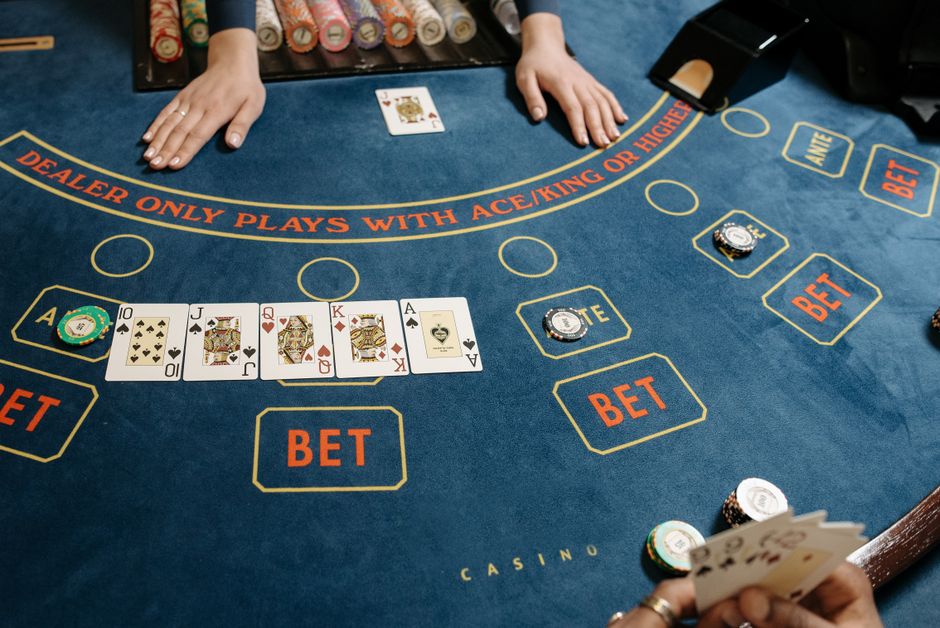
Poker deserves its own section because it doesn't behave like any other casino game. In slots and roulette, the math is fixed against you. In poker, the house takes a cut and steps aside. Everything else is decided by skill, psychology, and bankroll management. สล็อตเว็บตรง is a solid starting point for anyone new to this.
Online poker has evolved dramatically. In the early 2000s, a decent player could crush low-stakes games with basic tight-aggressive strategy. Today, solvers and tracking software have raised the floor. Even micro-stakes games on major sites are filled with players who understand ranges, equity, and position. That doesn't mean you can't win. It means you have to be honest about your skill level.
Here's a realistic path for someone starting online:
The rake matters too. A 5% rake capped at $3 sounds small until you realize it's the single biggest reason most micro-stakes players break even. The higher you climb, the less rake eats into your win rate, which is one reason skilled players push to move up.
Sports betting gets less attention in iGaming discussions than slots, but it's where a lot of casual money goes to die. The trap isn't the odds themselves. It's the accumulator culture. A four-leg parlay at even odds each leg pays roughly 15-to-1, which feels like a jackpot. But the true probability of hitting all four is around 6.25%. The bookmaker's margin compounds with every leg you add.
Sharp bettors do the opposite. They bet singles, they shop for the best line across multiple books, and they treat betting as a long-term numbers game, not a weekend lottery ticket. If you enjoy a parlay for entertainment, fine, but don't confuse it with a strategy.
Every experienced iGaming player will tell you the same thing: bankroll management matters more than game selection. It's not exciting, and it doesn't make for good stream content, but it's what keeps you in the game.
A common framework is to set a monthly entertainment budget you'd be fine losing entirely, then size your bets at 1% to 2% of that amount. For poker, the standard is 20 to 30 buy-ins for cash games and 50 to 100 buy-ins for tournaments. For slots, a session bankroll of 100 to 200 spins at your chosen stake is a reasonable guideline. For sports betting, flat-staking 1% to 2% per pick keeps variance survivable.
The point isn't the exact numbers. It's that you decide them before you play, not after a bad session when you're trying to win it back.
Regulation in iGaming is a patchwork. The UK, Malta, Sweden, and several US states have robust licensing regimes with strict consumer protections. Other jurisdictions are looser, and a small number of offshore operators basically operate on vibes and hope. Before depositing anywhere, check three things: who licenses the site, what the withdrawal terms actually say, and whether the casino is listed on a regulator's public register. A flashy homepage means nothing if you can't get your money out.
Also watch for the fine print on bonuses. Maximum bet rules, game weighting, and expiry windows are where most complaints originate. If a promotion sounds too generous, read the terms twice.
The iGaming world is genuinely fascinating. It's a collision of math, psychology, technology, and regulation, all wrapped around a simple fact: the house always has an edge, except in poker, and even there it takes work to overcome. Slots reward patience and disciplined bankrolls. Poker rewards study and honesty about your skill. Sports betting rewards line shopping and flat stakes. None of them reward hope. Treat iGaming as entertainment with a budget, learn the math behind whatever you play, and you'll get far more enjoyment out of it than the person chasing a jackpot they'll never see.

Audata No rushing, no fuss — just thoughtful notes and practical help, written by people who care.

April 25, 2019 at 10:46 am
Take in the iconic skyline and visit the neighbourhood hangouts that you've only ever seen on TV. Take in the iconic skyline and visit the neighbourhood.


Want to be notified when we launch a new template or an udpate. Just sign up and we'll send you a notification by email.


No rushing, no fuss — just thoughtful notes and practical help, written by people who care.

Soldman Kell
April 25, 2019 at 10:46 am
Take in the iconic skyline and visit the neighbourhood hangouts that you've only ever seen on TV. Take in the iconic skyline and visit the neighbourhood.