
An Incredibly Easy Method That Works For All
10 Apr 2021
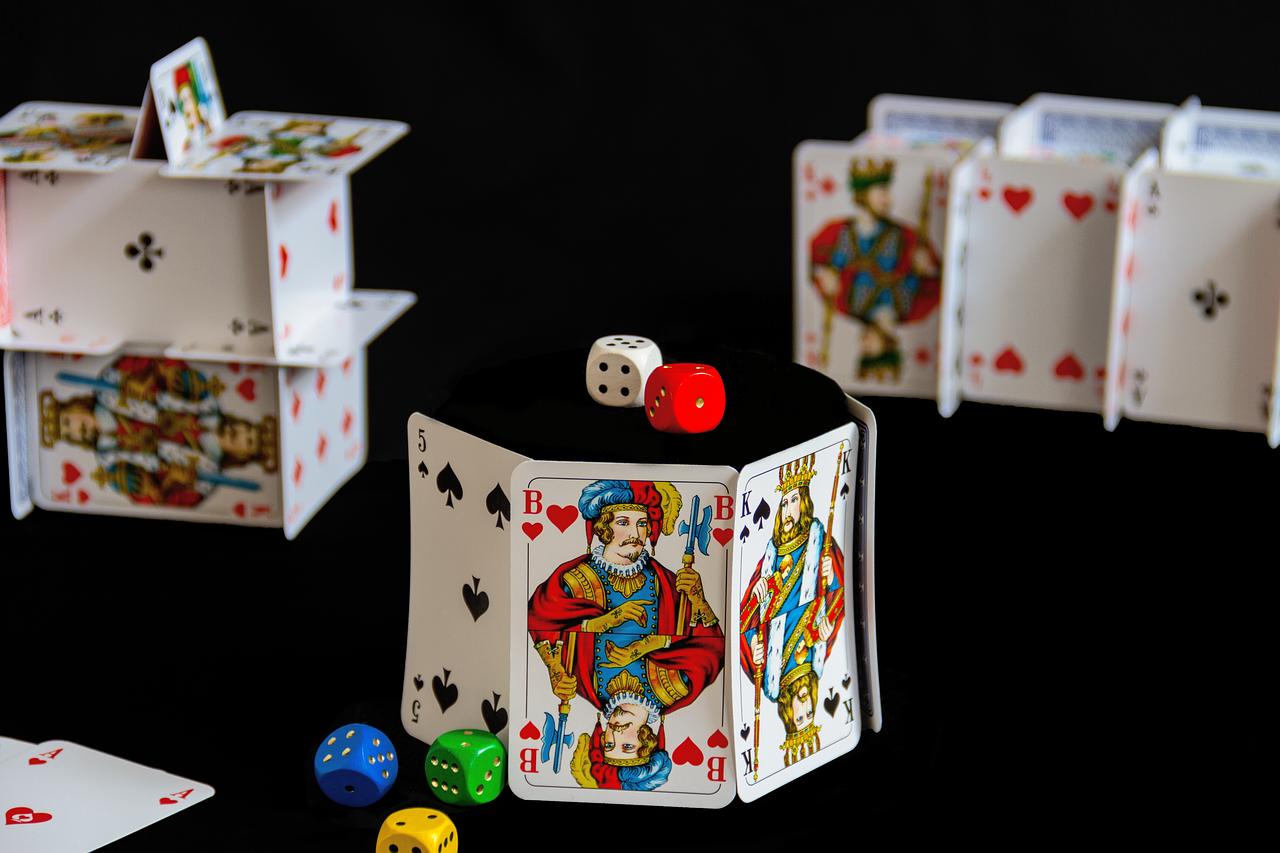
Every gambler eventually has the conversation. You're three hours into a session, up a decent amount, and someone leans over and asks the question that ruins friendships: is any of this actually skill, or are we all just paying for the privilege of pretending? The honest answer depends entirely on which game you're playing, and most players never bother to learn where the line sits.
That gap in understanding costs money. It shapes bad bankroll decisions, fuels tilt, and keeps people grinding games where they have no edge and ignoring games where they might. So let's map the terrain properly — casino games, sports betting, slots, and poker each sit in a different place on the luck-to-skill spectrum.
Table games in a casino are mathematically designed to be unquestionably luck-based, with a fixed cost per bet. Blackjack is the famous exception, but only barely, and only under specific conditions. Basic strategy — the memorized chart of when to hit, stand, double, or split — can push the house edge down to around 0.5%. Card counting can flip it positive, but only if you're in a shoe game with good penetration, no continuous shuffler, and a casino that hasn't banned you. That's a lot of conditions, and the moment you're caught, the party ends.
Everything else is a toll booth:
That last point matters. Two players at the same craps table can have wildly different expected losses based on nothing but which bets they choose. Skill in casino games isn't about beating the math. It's about understanding it, picking low-edge bets, and refusing to donate to the prop bets that exist purely to extract money from tourists.
Slots deserve their own section because they get misunderstood more than anything else in the building. Modern video slots are RNG-driven machines with published RTPs, usually between 94% and 97% online. That means for every $100 wagered, you expect to lose $3 to $6 over the long run. Over a short session, though, variance is enormous.
A high-volatility slot like Bonanza or San Quentin might pay nothing for 400 spins and then dump a 2,000x hit in one bonus round. A low-volatility slot like Starburst pays small and often. Neither is a better choice in isolation. It's a question of what you're actually there for.
Three things every slot player should internalize:
There's zero skill in pressing spin. The skill lives in choosing a stake that lets you survive the swings and walking away when the session's done. บาคาร่าเว็บตรง offers a practical breakdown of the topic.
Here's where things get interesting, because sports betting genuinely rewards skill — up to a point. Line shopping alone can improve your long-term returns by 1-2% per bet, which is the difference between a losing and winning bettor over thousands of wagers. Understanding closing line value, injury reports, weather, travel schedules, and referee tendencies separates professionals from recreational bettors.
Still, the bookmaker's margin (the vig) sits around 4-5% on standard -110 spreads. You need to hit roughly 52.4% just to break even. Beating that number consistently over a season is possible, but it's a job, not a hobby. The people doing it are treating it like a quant fund — spreadsheets, models, disciplined staking. If you're betting $50 on your favorite team because you have a good feeling, you're in the luck column.
Poker is the outlier. In the long run, skilled players reliably extract money from less skilled players, and the house just takes a rake for hosting. That's a fundamentally different arrangement from every other game on this list.
What makes poker skilled is that you're not playing against the house's math. You're playing against other humans who make exploitable mistakes — calling too much, bluffing too little, playing too many hands preflop, folding too often to aggression. A strong player recognizes those patterns and adjusts. That's why bots and solvers have reshaped the game at the highest levels, and why low-stakes games are still profitable for anyone who studies ranges and pot odds.
But poker skill has a ceiling too. Variance in a single tournament can be brutal — you can play perfectly for six hours and bust on a 70/30. That's the trade-off. Cash games reward skill more quickly because you can always re-buy and let the long run play out. Tournaments compress skill into compressed chaos.
Once you know where the edges actually are, the strategic implications are obvious. In pure luck games, you're paying for entertainment — budget accordingly, treat it like a night out, and never chase losses. In semi-skill games like sports betting and poker, you can invest in your edge through study, tools, and volume. But you need enough hands or bets for the skill component to dominate the noise.
A winning poker player needs tens of thousands of hands before results reflect ability. A winning bettor needs hundreds of wagers. Below those thresholds, you're largely observing randomness. This is why tilt is so dangerous — it makes players abandon disciplined decisions exactly when variance is at its loudest.
Most iGaming content pretends every game is beatable with the right system, or that none of it matters because it's all rigged. Both positions are lazy. The truth is that different games offer different edges, and your job as a player is to decide whether you're buying entertainment or investing in an edge. Slots and roulette are the former. Poker and sharp sports betting can be the latter, conditionally. Knowing the difference is the single most useful piece of gambling literacy you can develop — and it costs nothing to learn.

Audata No rushing, no fuss — just thoughtful notes and practical help, written by people who care.

April 25, 2019 at 10:46 am
Take in the iconic skyline and visit the neighbourhood hangouts that you've only ever seen on TV. Take in the iconic skyline and visit the neighbourhood.


Want to be notified when we launch a new template or an udpate. Just sign up and we'll send you a notification by email.


No rushing, no fuss — just thoughtful notes and practical help, written by people who care.

Soldman Kell
April 25, 2019 at 10:46 am
Take in the iconic skyline and visit the neighbourhood hangouts that you've only ever seen on TV. Take in the iconic skyline and visit the neighbourhood.